
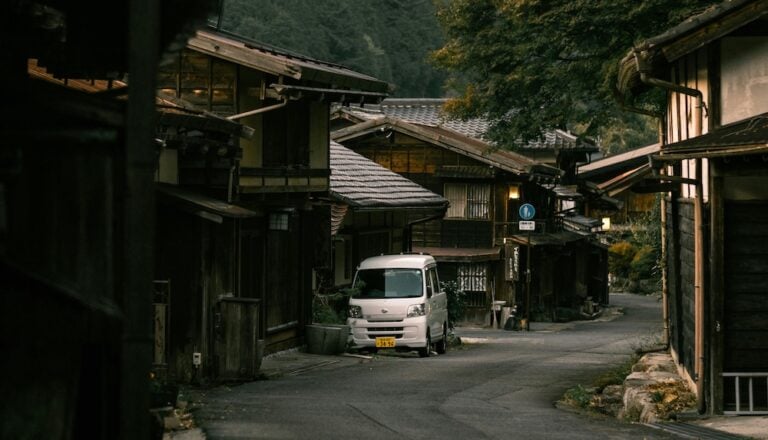
When I first arrived in Japan, I couldn’t stop staring at the cars. They looked like toy versions of the sedans and hatchbacks I was used to seeing back home. Most were boxy, a few surprisingly round, but nearly all of them were tiny. They made the narrow roads feel like something out of a cartoon. Later, I learned that these weren’t just “small cars.” They were kei cars (軽自動車), a uniquely Japanese category of vehicle that is both practical and deeply woven into everyday life.
Over time, what began as an amused curiosity turned into admiration. Kei cars represent Japanese efficiency, design, and adaptation to local needs.
What Exactly Is a Kei Car?
Kei cars are a special class of vehicle in Japan, defined by strict regulations. To qualify, a car must fit within specific size and engine limits:
- Length: Under 3.4 meters
- Width: Under 1.48 meters
- Height: Under 2 meters
- Engine size: 660cc or smaller
These rules were introduced after World War II to encourage affordable car ownership during Japan’s economic recovery. The government incentivized manufacturers to produce compact, efficient vehicles by offering reduced taxes, cheaper insurance, and lower tolls. Even today, kei cars are easily recognizable by their yellow license plates.
Why Kei Cars Dominate Japan
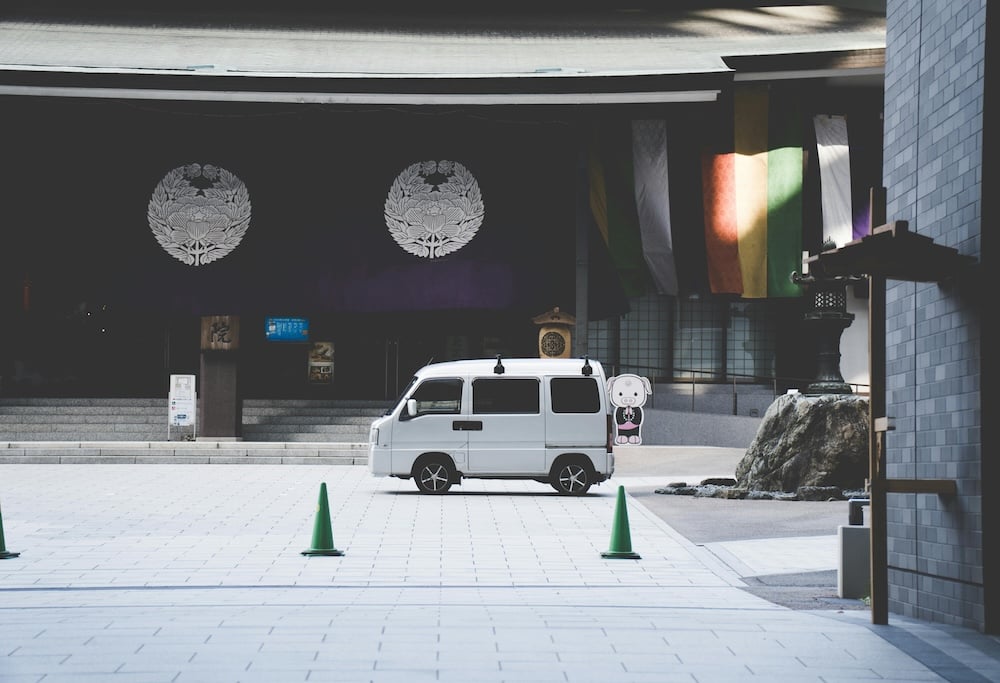
Step outside in almost any Japanese town or countryside, and you’ll notice kei cars everywhere. In fact, they make up roughly one-third of all vehicles on the road. Their popularity isn’t an accident; it comes down to a mix of practicality, affordability, and cultural fit.
There are a few key reasons why kei cars are so deeply embedded in Japanese life:
1. Affordability
Taxes, insurance, and fuel costs are significantly lower for kei cars compared to standard vehicles. For young drivers, retirees, or families in rural areas, the savings are substantial.
2. Parking Convenience
In Japan’s crowded cities, owning a regular car often requires proof that you have a parking space (車庫証明). Kei cars, being smaller, can sometimes bypass this requirement and fit into spaces that larger vehicles simply can’t.
3. Designed for Narrow Roads
Many Japanese streets, especially in older neighborhoods and rural towns, are extremely narrow. A standard Western SUV would struggle to squeeze through. I’ve seen it happen, but it took incredible maneuvering and care. Kei cars, on the other hand, are perfectly built for these conditions.
4. Fuel Efficiency
With their lightweight frames and small engines, kei cars sip fuel rather than guzzle it. For commuters or delivery drivers, this makes a big difference.
5. Surprising Variety
Far from being monotonous, kei cars come in a wide range of styles—from family wagons to sporty coupes to utilitarian kei trucks (軽トラック). This versatility means they meet a variety of needs while sticking to the same legal framework.
Kei Cars in Everyday Life

Living in Japan, you can’t help but notice how deeply integrated kei cars are into the rhythms of daily life. They do more than just get people around—they also help shape the look of Japanese towns and roads.
In rural areas, kei trucks (often called 軽トラ) are the unsung heroes of agriculture and construction. You’ll see farmers hauling produce, workers carrying tools, or even someone transporting a single futon on the back. Their compact design makes them indispensable for navigating farm paths and mountain roads.
In cities, kei cars are the perfect urban companion. Their boxy design maximizes interior space while keeping the footprint small. Step inside, and you’ll often be surprised at how roomy they feel despite their tiny exteriors.
Among families, kei wagons provide affordable mobility. Parents use them for school drop-offs, shopping trips, or weekend outings. Their affordability is especially important for parents who have multiple mouths to feed.
For me, one of the most striking things about kei cars is how they change the scale of the roads. Instead of feeling like the streets are too narrow, the cars themselves make the streets feel perfectly proportioned. It’s only when I visit home that I realize how narrow the streets in Japan really are.
Kei Cars and the Environment: Small Cars, Big Impact
Beyond being cute and convenient, kei cars are also an environmentally friendly choice, especially in the context of Japan’s growing focus on sustainability. Their small engines, lightweight frames, and compact size make them highly fuel-efficient, reducing gasoline consumption compared to larger vehicles. For urban drivers navigating crowded streets, this translates to lower emissions per kilometer driven.
Automakers have increasingly introduced hybrid and electric kei models, reflecting Japan’s push toward greener transportation solutions. These vehicles emit fewer greenhouse gases, contribute less to air pollution, and encourage more sustainable commuting habits. By occupying less road space, kei cars also help ease congestion, indirectly reducing emissions from idling and stop-and-go traffic.
Minimizing resource use, reducing carbon footprints, and promoting efficient mobility. In a country where space is limited and urban density is high, kei cars offer a practical and eco-conscious alternative to conventional vehicles, proving that small can indeed have a large positive impact on the environment.
A Personal Perspective: From Funny to Fascinating
When I first saw a kei car, my instinct was to laugh. They looked so different from the sedans and SUVs back home. Some reminded me of shoeboxes on wheels, while others seemed to be designed with a sense of playfulness I’d never seen in cars before.
But the longer I lived in Japan, the more respect I gained for them. I noticed how elementary school students would pile into one with their parents, still managing to fit comfortably. I saw how effortlessly kei trucks maneuvered along mountain roads that would terrify me in a larger car.
Eventually, these cars just started to feel emblematic of daily life in Japan. They still look funny, but they feel more endearing than anything else. To this day, whenever I see a kei car, I think of how they helped me understand Japanese practicality in a tangible, visible way.

Lessons from Kei Cars
In the end, kei cars reflect how Japan balances tradition, modernity, and practicality. From the bustling streets of Tokyo to the quiet rice fields of the countryside, they’ve carved out a permanent place in daily life.
What struck me most was how they changed my own perspective on transportation. In my home country, cars often symbolize freedom, individuality, or status. In Japan, kei cars reminded me that sometimes the best solutions are the simplest ones: a car that fits the road, the budget, and the lifestyle.
Tiny Cars With a Big Influence
Kei cars may look small, but their impact is huge. They make Japanese streets feel uniquely Japanese, they support farmers and families alike, and they embody a cultural philosophy that values efficiency and harmony over excess.
So the next time you find yourself in Japan, take a closer look at the cars around you. Notice the yellow plates, the boxy shapes, the way they seem to fit perfectly into the environment. These are symbols of a society that has learned how to do more with less.
And if you’re like me, you might just find yourself falling in love with these little cars that make such a big difference.